




Connecting the Physical Table to the Digital Platform
Live casino games combine a physical gaming table with software that delivers the experience to remote users. Cameras capture the dealer, cards, roulette wheel, or other relevant activity, while the platform presents the video alongside betting controls and game information.
These systems must work together so that users can follow the action and understand the current stage of a game.
The Role of Camera Systems
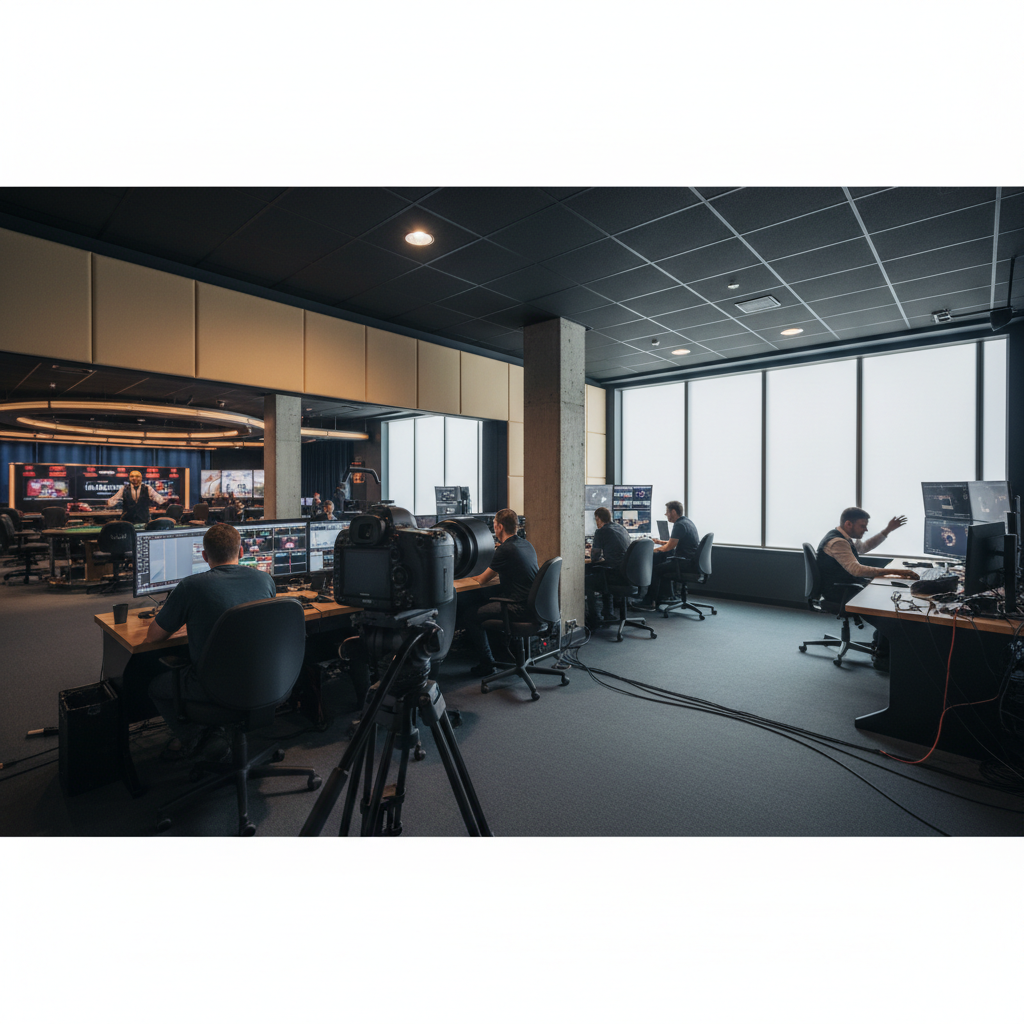
A live table may use several cameras to show different views. One camera might provide a wide shot of the dealer and table, while another focuses on cards, chips, or the roulette wheel.
The camera arrangement depends on the game and the platform’s production design. Lighting, camera positioning, and image quality all influence how clearly viewers can see the action.
Video is then encoded and transmitted through a streaming system. The viewer’s internet connection and device affect how quickly the footage appears.
What Game Software Does
The software manages the digital interface and the state of the game. It may display betting options, countdowns, accepted wagers, game results, and account information.
For example, in a live roulette game, the video shows the wheel and ball, while the interface displays the available betting period and the user’s selections. After the result is confirmed, the platform updates the relevant records and displays the settlement.
The video and software have different roles. The camera communicates the physical event, while the software manages the digital interaction and transaction records.
Keeping Everything Synchronized
Timing is one of the main technical challenges. The stream, betting controls, and official game events must correspond to the same stage of play.
If the video is delayed, the platform should still apply its rules about when bets close and how results are confirmed. Clear status messages can help users understand whether a wager was accepted or whether a market is temporarily unavailable.
Systems may use timestamps, event messages, and transaction logs to coordinate activities and investigate disputes.
Reliability and Transparency
A dependable live casino platform needs more than clear video. It also needs stable streaming, accurate game-state updates, secure transactions, and understandable records.
When cameras and software work together effectively, users can follow the table activity while the platform maintains the information needed to operate the game. The quality of the experience depends on both the visible presentation and the systems working behind it.