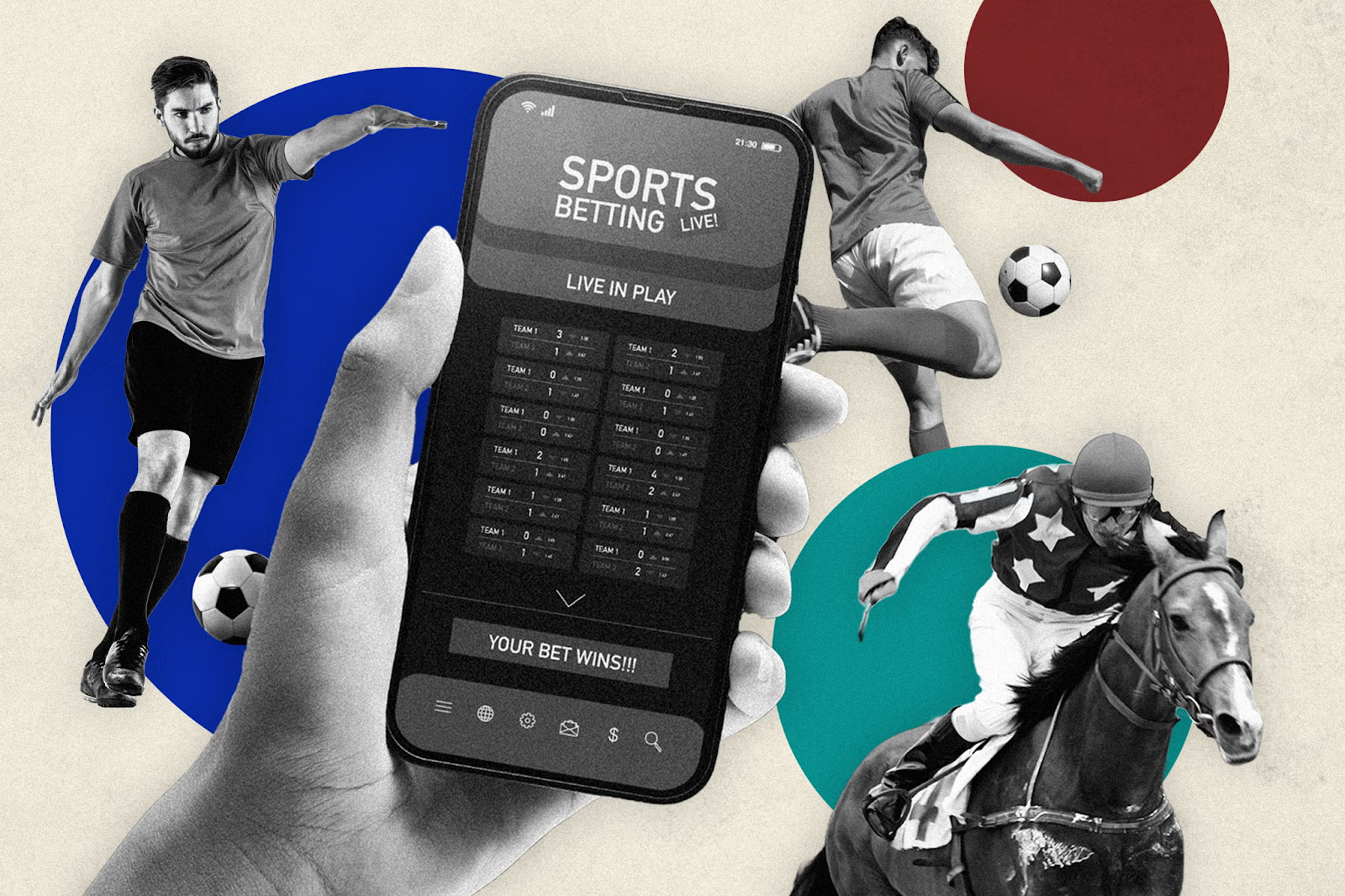




Have you ever opened a game thinking you would play for just a few minutes, only to look up and realize an hour has passed?
It feels almost unreal. The room looks the same, your phone or screen is still in your hands, but time seems to have slipped away without making a sound.
This experience is extremely common, especially with online casino games, mobile games, and fast-paced digital platforms. It is not simply about distraction or lack of discipline. It is deeply connected to how the human brain processes attention, reward, and emotion.
When you understand what is happening behind the scenes, the experience becomes much clearer. What feels like lost time is actually a combination of focus, design, and psychology working together in a very powerful way.
When the Mind Enters a Deep Focus State
At the beginning of a gaming session, everything feels normal. You are aware of time. You may even tell yourself that you will stop after a few rounds.
But slowly, your attention begins to narrow.
The game becomes the center of your awareness. Each spin, each card, or each outcome starts to feel important. Sounds, visuals, and movement pull your focus inward. The outside world becomes quieter, almost like background noise fading away.
This mental state is closely related to a concept in psychology known as Flow State. It describes a condition where a person becomes fully absorbed in an activity, losing track of time and external distractions.
Psychologist Mihaly Csikszentmihalyi, who studied this phenomenon extensively, once explained it simply:
“When you are in flow, you are not aware of time passing. You are completely involved in the activity itself.”
Online games are especially effective at creating this state. Unlike physical environments, they offer continuous engagement with no interruptions.

Why Online Games Make Time Disappear Faster
In real-world settings, there are natural breaks that remind you of time.
A dealer pauses. A friend speaks. Someone stands up from the table. Even small interruptions bring your attention back to reality.
Online games remove these signals completely.
Everything flows continuously. One round ends, and the next begins instantly. There is no pause unless you choose to create one.
A typical slot spin may last only 2 to 5 seconds, which means a player can easily complete hundreds of rounds in a short session.
Because each action feels small and quick, the brain does not register the passage of time in the usual way.
The Role of Rewards in Keeping Players Engaged
One of the strongest reasons players lose track of time is the way games deliver rewards.
The human brain responds strongly to rewards, even very small ones. When something positive happens, the brain releases dopamine, a chemical linked to motivation and pleasure.
Interestingly, research shows that the brain does not only react to big wins. It also reacts to:
- small wins
- near misses
- bonus triggers
- flashing lights and sound effects
These small signals keep the brain engaged.
Behavioral psychologist B. F. Skinner described a pattern known as variable reward schedules, where rewards are unpredictable.
He found that this type of reward system is one of the most powerful ways to maintain repeated behavior.
Online games use this exact principle.
Players never know when the next win will come. This uncertainty keeps them playing longer than they originally planned.

Real Player Experiences
Many players describe the same pattern when talking about their sessions.
One online player shared:
“I started playing after dinner thinking I would play for 15 minutes. When I finally checked the time, it was almost midnight. It didn’t feel that long at all.”
Another player wrote:
“The spins are so quick that you don’t even think about time. You just keep going because each round feels like nothing.”
These experiences are not unusual. They reflect how the brain processes fast, repeated actions combined with emotional engagement.
Near Misses and the Illusion of Progress
Another powerful factor is the concept of the “near miss.”
This happens when a result looks very close to a win. For example:
- two jackpot symbols appear and the third almost lands
- a bonus round nearly triggers
- a high-value combination just misses
Even though it is technically a loss, the brain reacts as if it was close to success.
Studies in behavioral science have shown that near misses can activate similar brain responses as actual wins. This creates the feeling that progress is being made, even when it is not.
As a result, players continue playing, believing they are getting closer to a reward.
The Emotional Distortion of Time
Time perception is not fixed. It changes based on emotion and attention.
When people feel bored, time slows down. A few minutes can feel long and uncomfortable.
But when people feel excited or deeply focused, time speeds up.
Online gaming combines several emotional triggers:
- anticipation
- excitement
- tension
- curiosity
These emotions keep the brain active and engaged, which reduces awareness of time passing.
The Environment Also Matters
The setting in which people play also influences their sense of time.
Online gaming often happens in environments that reduce external distractions:
- quiet rooms
- dim lighting
- headphones or focused audio
- uninterrupted screen interaction
Casinos use similar strategies. In many land-based casinos, you will not see clocks or windows.
For example, in places like Las Vegas Strip, the environment is designed to keep players immersed and unaware of time.
Online platforms recreate this effect digitally by removing natural stopping points.
A Simple Statistic That Explains Everything
Studies in digital behavior suggest that people can lose awareness of time after just 20 minutes of continuous focused activity.
When that activity includes fast rewards and emotional engagement, the effect becomes much stronger.
This is why a short session can quickly turn into an hour or more without the player realizing it.
The Quiet Moment When Reality Returns
Eventually, every session ends.
The player pauses, looks at the clock, and suddenly becomes aware of how much time has passed.
This moment often feels surprising.
The time was not stolen. It simply went unnoticed because the brain was focused elsewhere.
This is something very human. It also happens when:
- watching a movie
- reading a great story
- having a deep conversation
The difference is that online games are designed to extend this state for longer periods without interruption.
A Gentle Way to Stay in Control
Understanding this process does not mean avoiding games completely. It simply means playing with awareness.
Some simple ways players manage time better include:
- setting alarms before starting
- taking short breaks every 20 to 30 minutes
- deciding a stopping point in advance
- stepping away after a fixed number of rounds
These small actions help bring time back into awareness.
Final Thought
Online games are not just about numbers or outcomes. They are carefully designed experiences that combine psychology, speed, and emotion.
The mind naturally follows what feels engaging and rewarding. That is why minutes can quietly turn into hours without notice.
But once you understand how this happens, you gain something important.
You do not lose the enjoyment of the game. You simply regain control over your time.
And sometimes, that small awareness makes all the difference between playing for fun and wondering where the evening went.